Inside the Life of a Professional Beekeeper
A Journey Into India’s Beekeeping Industry with Krishna Murari
When we buy a jar of honey from a supermarket shelf, most of us never stop to think about where it comes from. We see a bottle. We see a label. We see a price.
But behind every drop of genuine honey lies months of hard work, thousands of honey bees, constant migration, unpredictable weather conditions, and the dedication of beekeepers who spend weeks away from their families.
In a recent conversation on The Packagingwala Show, we met Krishna Murari, a professional beekeeper and honey entrepreneur who shared the realities of honey production, beekeeping, and the challenges involved in bringing natural honey from forests and farms directly to consumers. His story offers valuable lessons not only for honey lovers but also for aspiring entrepreneurs looking to enter agriculture-based businesses.
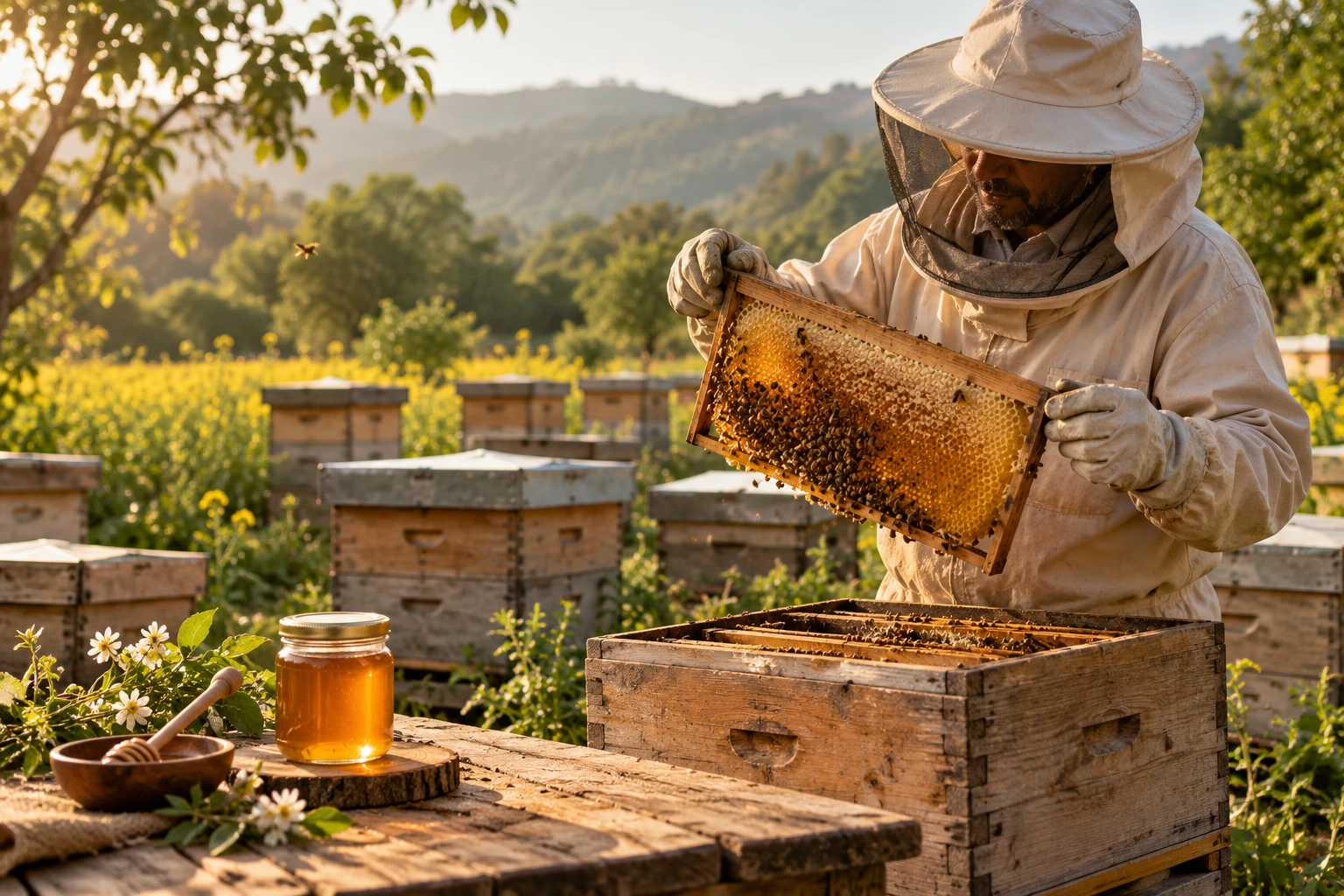
The Business Behind Every Spoon of Honey
Many people assume that honey is a simple product. In reality, beekeeping is one of the most labor-intensive agricultural businesses.
Unlike conventional farming, beekeepers must continuously move their bee colonies to locations where flowers are blooming. This means traveling across regions, setting up temporary camps, and living in remote locations for extended periods.
According to Krishna Murari, professional beekeepers often spend weeks and sometimes months away from home while managing their colonies. Whether it is extreme summer heat, winter cold, or unpredictable weather conditions, the work continues throughout the year. This level of commitment is something most consumers never see.
Why Natural Honey Is Different
One of the biggest misconceptions in the market is that all honey is the same. Natural honey production depends heavily on:
- Flower availability
- Seasonal changes
- Bee health
- Environmental conditions
- Proper extraction methods
The quality, color, aroma, and taste of honey can vary significantly depending on the source of nectar collected by the bees. This is why genuine honey often looks and tastes different from batch to batch. Nature does not produce identical products. And that is exactly what makes natural honey unique.
Beekeeping Is More Than Just Honey
One of the most fascinating insights shared during the discussion was that bees produce much more than honey. Most people know bees for honey production, but the beekeeping industry generates several valuable products.
Bee Pollen
Bee pollen is collected by worker bees and is widely recognized for its nutritional value.
Royal Jelly
A highly specialized substance produced by bees and often used in health and wellness products.
Propolis
A natural resin-like material collected by bees that has gained popularity in various wellness applications.
Beeswax
Beeswax is entirely natural and is produced by honey bees while constructing their honeycombs. As Krishna Murari explained, honey bees are nature’s original wax manufacturers. Without bees, natural beeswax simply would not exist.
The Challenges of Running a Honey Business
Many people see the final product but never witness the effort behind it. A professional beekeeper must constantly manage:
- Bee colony health
- Seasonal migration
- Transportation logistics
- Environmental risks
- Production planning
- Storage management
- Customer demand
Unlike many products that can be manufactured on demand, honey production depends heavily on natural cycles. This makes inventory planning and stock management critical to business success.
Building Trust in the Honey Industry
One challenge faced by many genuine honey producers is consumer skepticism. Modern consumers have become increasingly cautious about food authenticity. This has made transparency more important than ever. Businesses that openly educate customers about sourcing, production methods, and farming practices are often able to build stronger relationships and long-term trust.
For local producers, trust becomes their most valuable asset. And for customers, buying directly from responsible producers often creates confidence about product quality and authenticity.
Supporting Local Farmers and Rural Entrepreneurs
One of the key messages highlighted during our conversation was the importance of supporting local producers. Across India, thousands of farmers, beekeepers, and rural entrepreneurs work tirelessly to create high-quality products. Yet many struggle to reach larger markets.
When consumers choose locally produced honey, they are not simply purchasing a product. They are supporting:
- Rural livelihoods
- Agricultural communities
- Sustainable farming practices
- Local entrepreneurship
- Small business growth
Every purchase contributes to a larger ecosystem that benefits families and communities.
Lessons for Aspiring Entrepreneurs
Krishna Murari’s journey offers valuable lessons for anyone interested in entrepreneurship:
Success Requires Patience
Nature works on its own timeline. The same principle applies to building a business.
Hard Work Is Non-Negotiable
Behind every successful agricultural business lies consistent, gritty effort.
Education Builds Trust
Customers support businesses that openly share knowledge and farming practices.
Authenticity Wins
Being genuine is a stronger competitive advantage than aggressive marketing.
The Human Side of Entrepreneurship
Living in forests. Setting up temporary camps. Spending months away from family. Managing thousands of bees in challenging environments.
These are the unseen efforts that make products like natural honey possible. The next time you open a jar of honey, remember the farmers and entrepreneurs whose hard work brings nature’s sweetness to our tables.
Final Thoughts
The honey business is not merely about producing and selling honey—it is about understanding nature, working alongside it, and creating value through patience. Krishna Murari’s story is proof that authentic businesses built on hard work and trust can create lasting success.